Mission
The Austrian Glial Network aims at:
gathering and sharing information about Austrian researchers and foreigners working in Austria who study glial cells;
potentiating the collaboration among research groups to make the most of human, technical, and scientific resources in order to promote the generation of knowledge with a more significant impact and the attraction of competitive funding;
fostering mobility and diversifying the training of researchers;
disseminating research focused on glial cells both in scientific channels and for society.
Founding Members
Vered Kellner
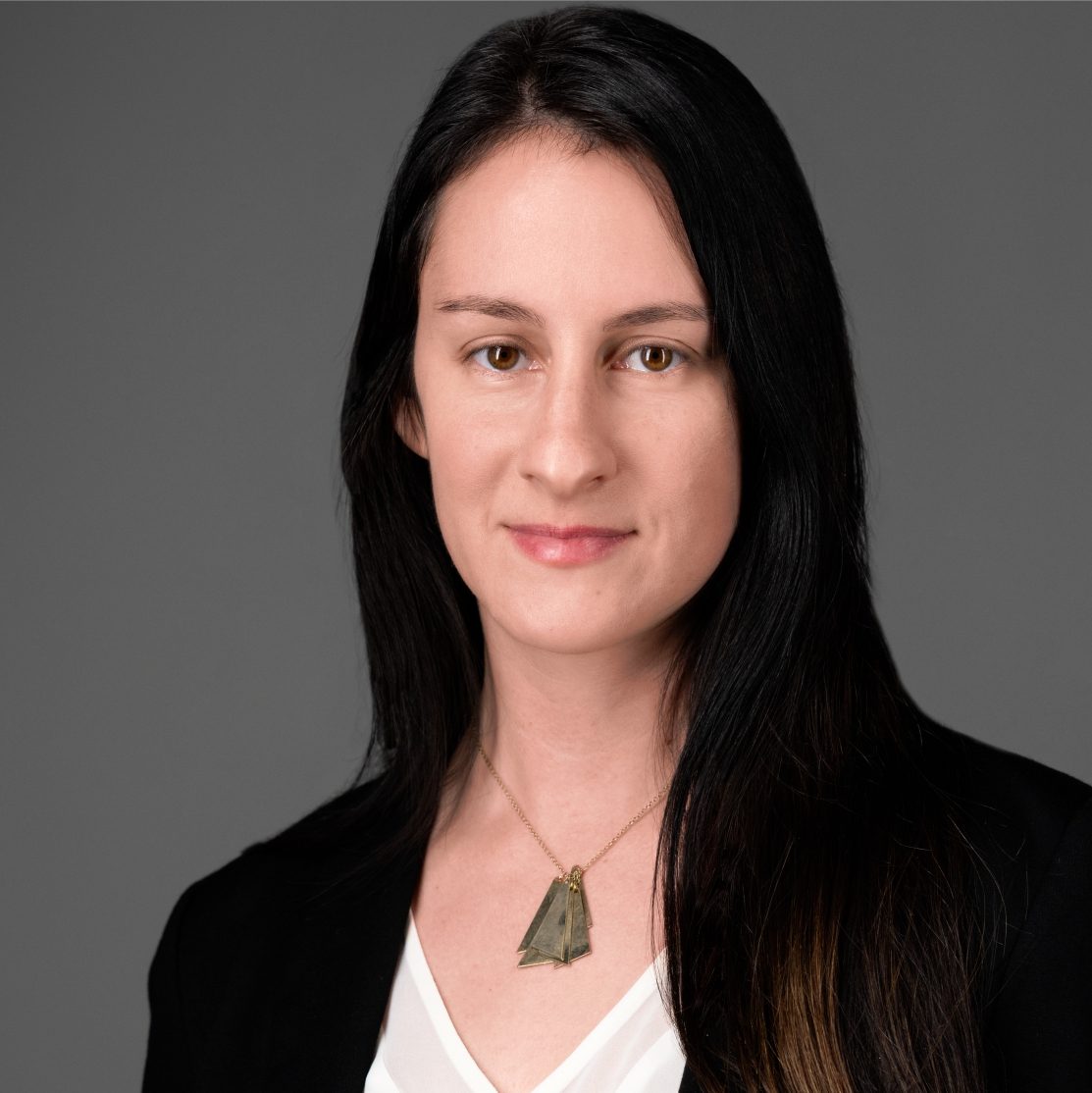
Vered Kellner received her PhD in Bar-Ilan University in Israel, studying how neuronal activity is altered in mouse models of Alzheimer’s disease using in vivo electrophysiology techniques. She then moved to the Max Planck Florida Institute for Neuroscience for a short postdoc to study the roles of astrocytes in the processing of visual information. She did a second postdoc at Johns Hopkins University, where she studied how astrocyte-neuron interactions affect the developing auditory system. Since April 2023, she has opened her own lab at Medical University of Vienna, where she will continue to study the roles of astrocytes in the development of the brain in the context of neurodevelopmental disorders.
Sandra Siegert
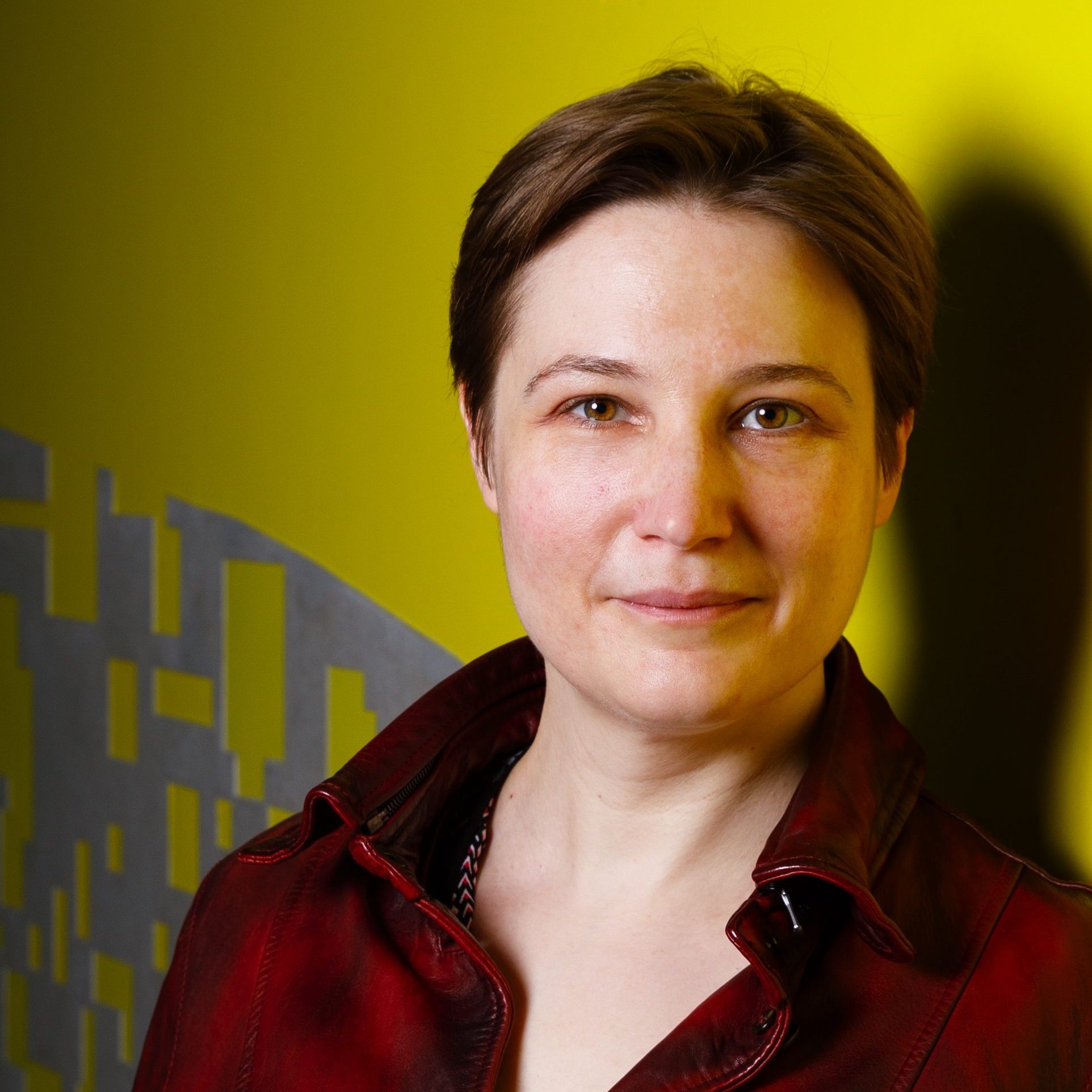
Dr. Sandra Siegert is a trained biologist and obtained her PhD in Neurobiology at the Friedrich Miescher Institute in Basel, CH, where she revealed the molecular logic of retinal cell types including a cell-specific disease signature. As a postdoctoral fellow at MIT, she identified how the schizophrenia-associated epigenetic factor microRNA-137 impacts presynaptic function at the hippocampal mossy-fiber synapse. In 2015, she joined ISTA as Assistant Professor. Here, she and her team aim to gain deeper knowledge about how the microglia influence the function of the nervous system. Her research has been awarded by several prizes amongst others the SWISS OphthAWARD and Liese Prokop Prize and received internationally funding via HFSP, SNSF, and the ERC.
Photo: IST, 2021, Copyright http://www.peterrigaud.com
Kerstin Lenk
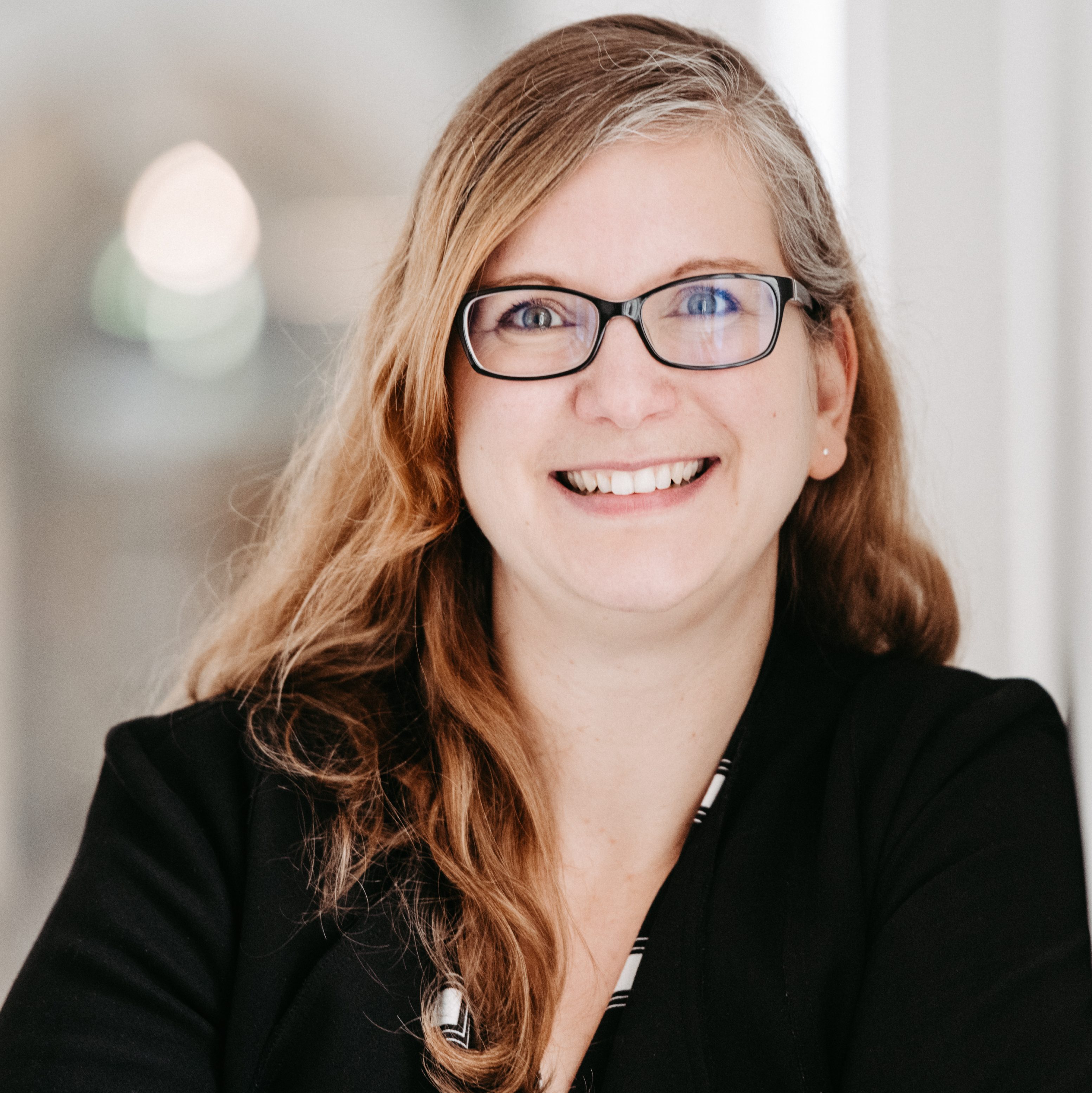
Dr. Kerstin Lenk is an Associate Professor in Computational Neuroscience at TU Graz. She received her PhD in computer science from TU Clausthal in Germany. Her first postdoc was in bioinformatics at TU Dresden, Germany. In 2018, Kerstin was awarded the Academy of Finland Postdoctoral Grant for the project „Simulation of local calcium dynamics in human single cell astrocytes and neuron-astrocyte networks“.
Her lab’s research focuses on three areas: 1) Computational modeling: they develop single-cell astrocyte models and neuron-astrocyte network models. 2) Bioinformatics: they analyze transcriptomic data of neurons and astrocytes. 3) In vitro experiments and the development of tools to analyze the measurement results. She and her team apply all those approaches to diseases like epilepsy, Alzheimer’s disease, schizophrenia, and major depressive disorder.
 ATgliaNet